

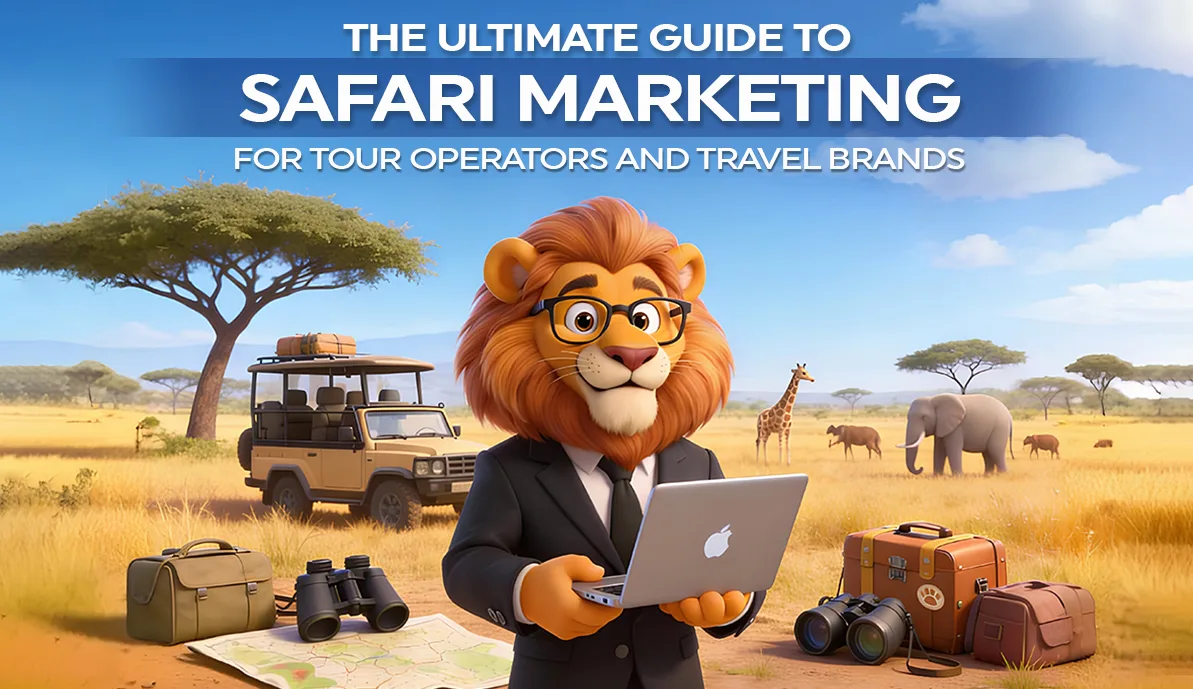
Safari tourism is the most competitive and experience-driven segment of the travel industry. Travelers aren’t only booking trips; they are mainly investing in once-in-a-lifetime opportunities and adventures. This is why a strong, strategic marketing approach is critical. This safari marketing guide explains how tour operators and travel brands can attract, engage, and convert modern travelers through a digital-first strategy.
As a result of safari branding and advanced safari digital marketing from Markethix, this blog covers everything you require to simply stand out in a crowded market.
Understanding the Safari Travel Audience
Safari travelers are mostly high-intent, and research-heavy buyers. They spend weeks, even months, comparing destinations, tour operators, accommodations, and reviews before making a sudden decision. As a result, your marketing focuses on trust, storytelling, and credibility.
Some of the key motivations include the following.
- Wildlife experiences and photography
- Eco-conscious and luxury travel
- Family or honeymoon adventures
- Sustainable and ethical tourism
Successful safari travel marketing speaks directly to these desires while addressing safety, expertise, and value.
Building a Strong Foundation with Safari Branding
Safari branding is regarded as the backbone of your marketing success. Your brand should continuously communicate regarding authenticity, adventure, and reliability. Strong safari branding includes the following.
- A memorable logo and color palette inspired by nature
- A continuous brand voice across all your websites and social media
- Visual storytelling by using superior-quality images and videos
- A clear-cut brand promise like luxury, eco-friendly, budget, and family-focused safaris
This type of branding should evoke emotion, sunrises over the savannahs, close wildlife encounters, and expert-guided experiences.
Website Optimization for Safari Tour Operators
Your website is your primary sales engine. Therefore, for marketing regarding tour operators, especially in safari tourism, your website should be visually compelling and conversion-focused.
Some of the best practices include the following
- Mobile-first design for all the global travelers
- Fast loading pages with optimized images
- Clear tour packages with pricing transparency
- Strong calls to action, such as Book Now and talk to an expert.
- Do trust signals like reviews, certifications, and testimonial
A well-optimized website supports every part of your digital marketing strategy.
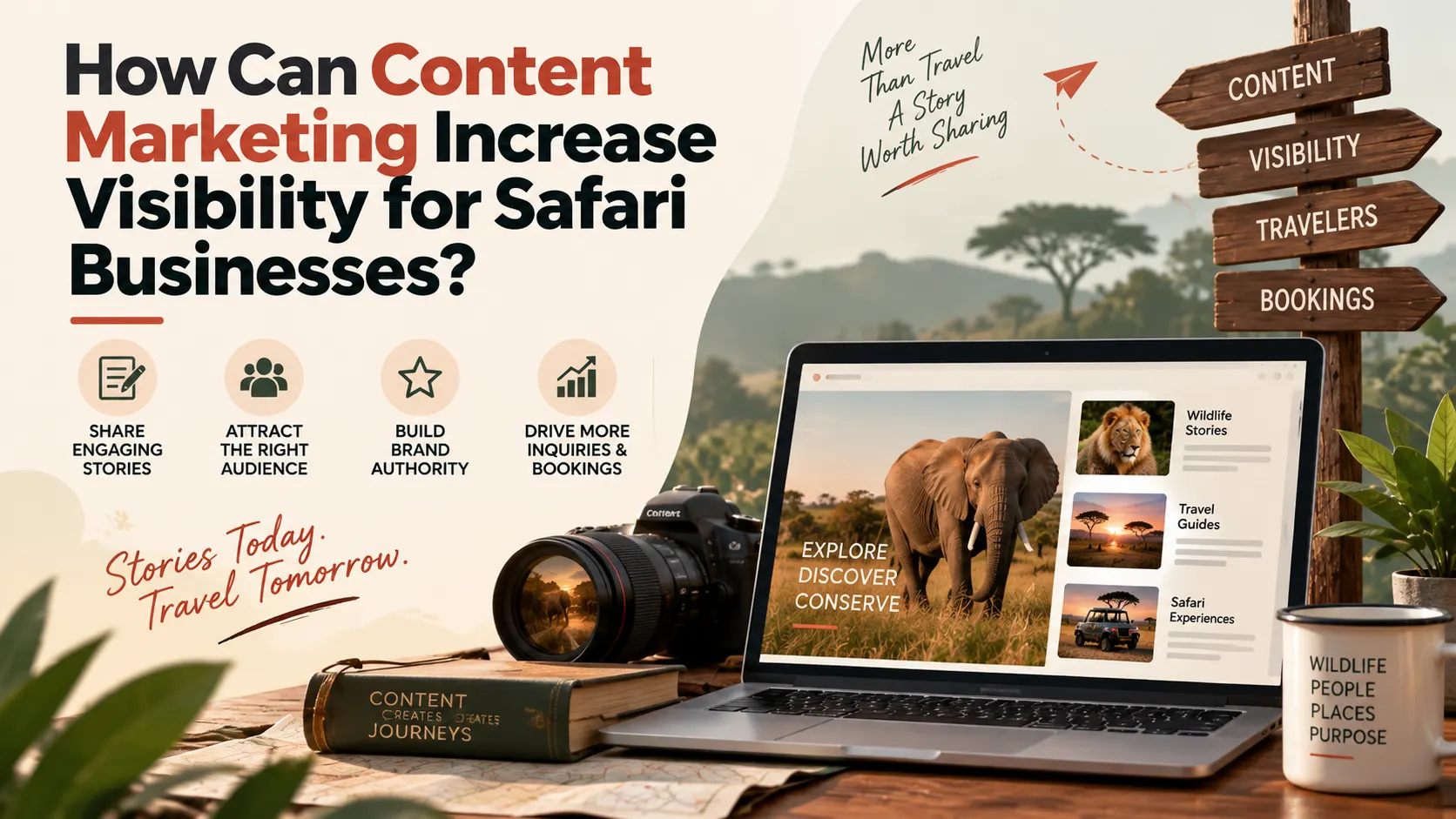
SEO and Content Marketing for Safari Brands
Search engine optimization is critical for long-term growth. Therefore, travelers begin their journey with Google searches like “best safari tours in Africa” or “luxury safari packages”.
While your safari marketing guide should include the following.
- Destination-specific landing pages
- Keyword-optimized blog content
- FAQs that address common traveler concerns
- Evergreen guides on wildlife, seasons, and travel tips
Use keywords naturally throughout your content, including safari travel marketing and digital marketing, to boost visibility without sounding forced.
Paid Advertising and Performance Marketing
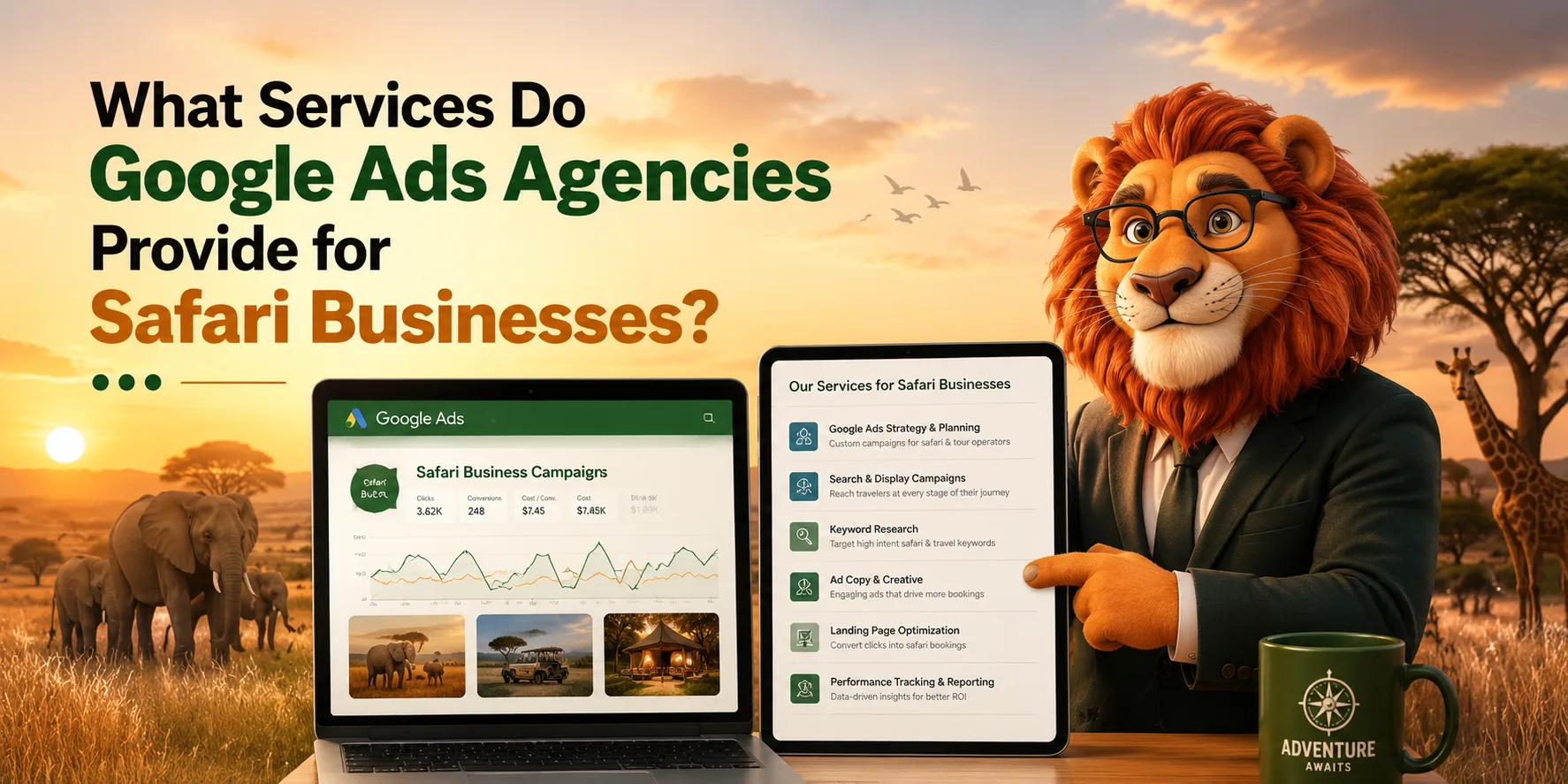
Paid campaigns enable safari tour operators to reach high-intent travelers quickly. Platforms like Google Ads and Meta (Facebook & Instagram) are especially effective.
High-performing safari ad strategies include:
- Search ads targeting “safari tour packages” keywords
- Retargeting website visitors who never book
- Instagram and Facebook ads showcasing wildlife visuals
- Video ads highlighting real safari experiences
Marketing for tour operators becomes much more scalable when it is paired with data-driven paid campaigns.
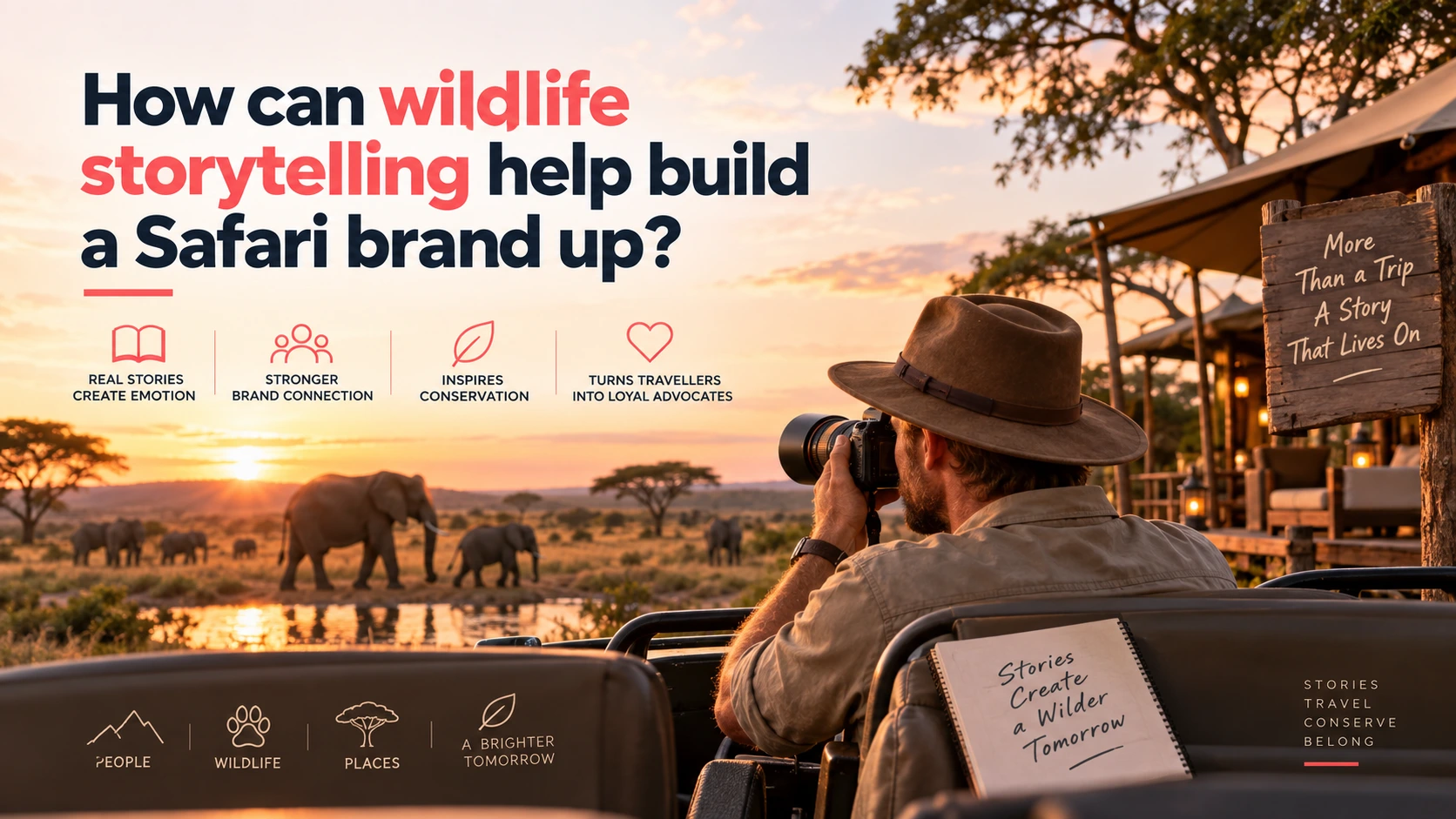
Social Media and Visual Storytelling
Safari tourism primarily grows on visuals. Whereas platforms like Instagram, YouTube, and TikTok are perfect for safari travel marketing.
Content ideas:
Some of the content ideas include the following
- Short videos and Wildlife reels
- Behind-the-scenes safari moments
- Guest testimonials and UGC
- Educational posts regarding animals and conservation
Consistent social media
It is the storytelling that strengthens safari branding and build up emotional connections with the potential travelers.
Email Marketing and Lead Nurturing
Safari booking does involve prolonged decision cycles. Email marketing helps you to nurture leads until they are ready to book. Some of the effective email strategies include the following
- Trip planning guides and itineraries
- Automated welcome sequences
- Trip planning guides and itineraries
- Seasonal safari offers
- Personalized recommendations
Email campaigns do play a critical role in safari digital marketing by keeping your brand top of mind.
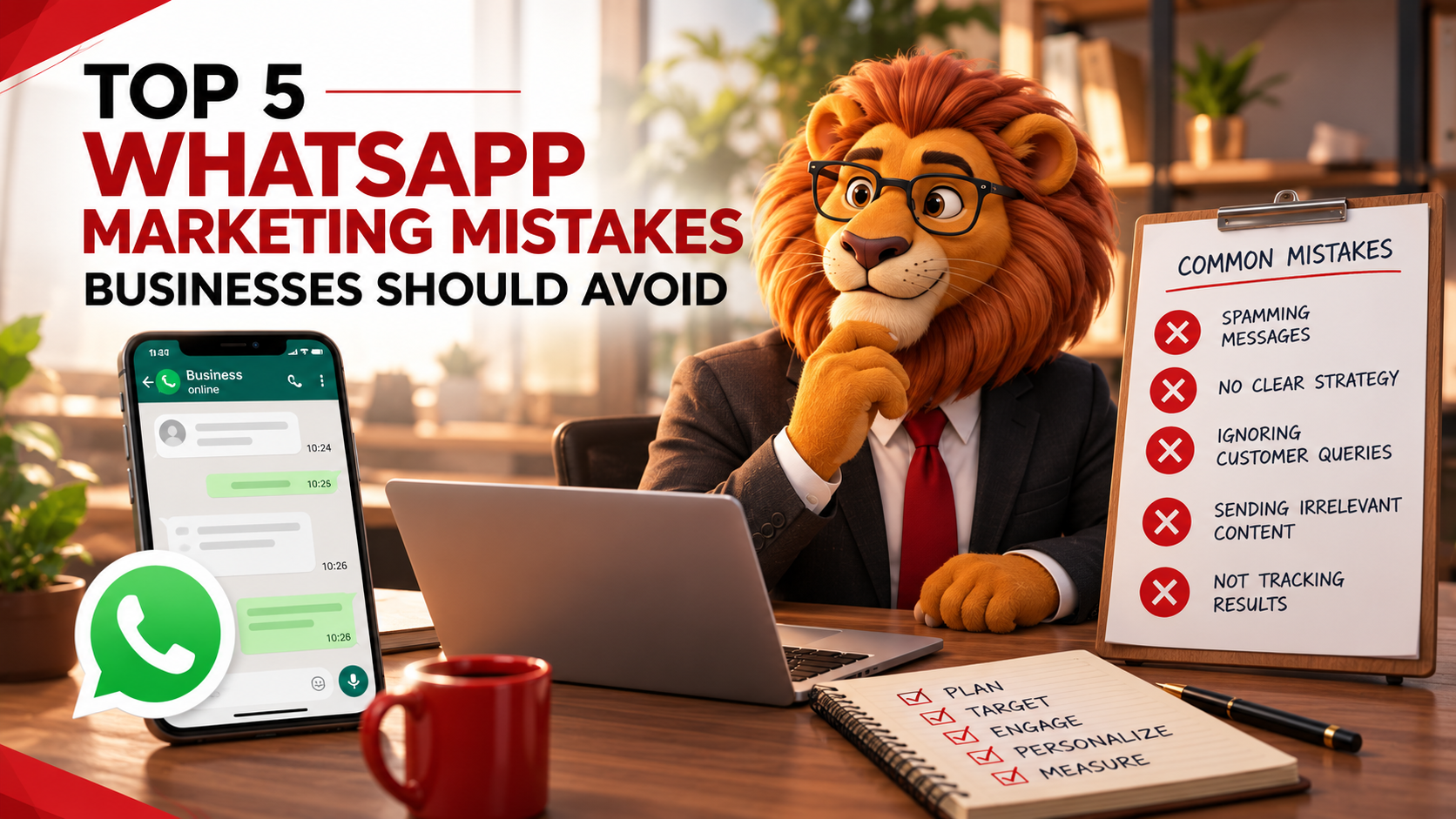
Analytics, Tracking, and Optimization
Therefore, tracking performance ensures your campaigns are profitable and scalable. Some key metrics to monitor are as follows:
- Cost per lead and cost per booking
- Website traffic and conversions
- Email open and click-through rates
- Ad campaign ROI
Using analytics tools aids you to refine your marketing for all types of the tour operators and achieve sudden improvements.
Conclusion
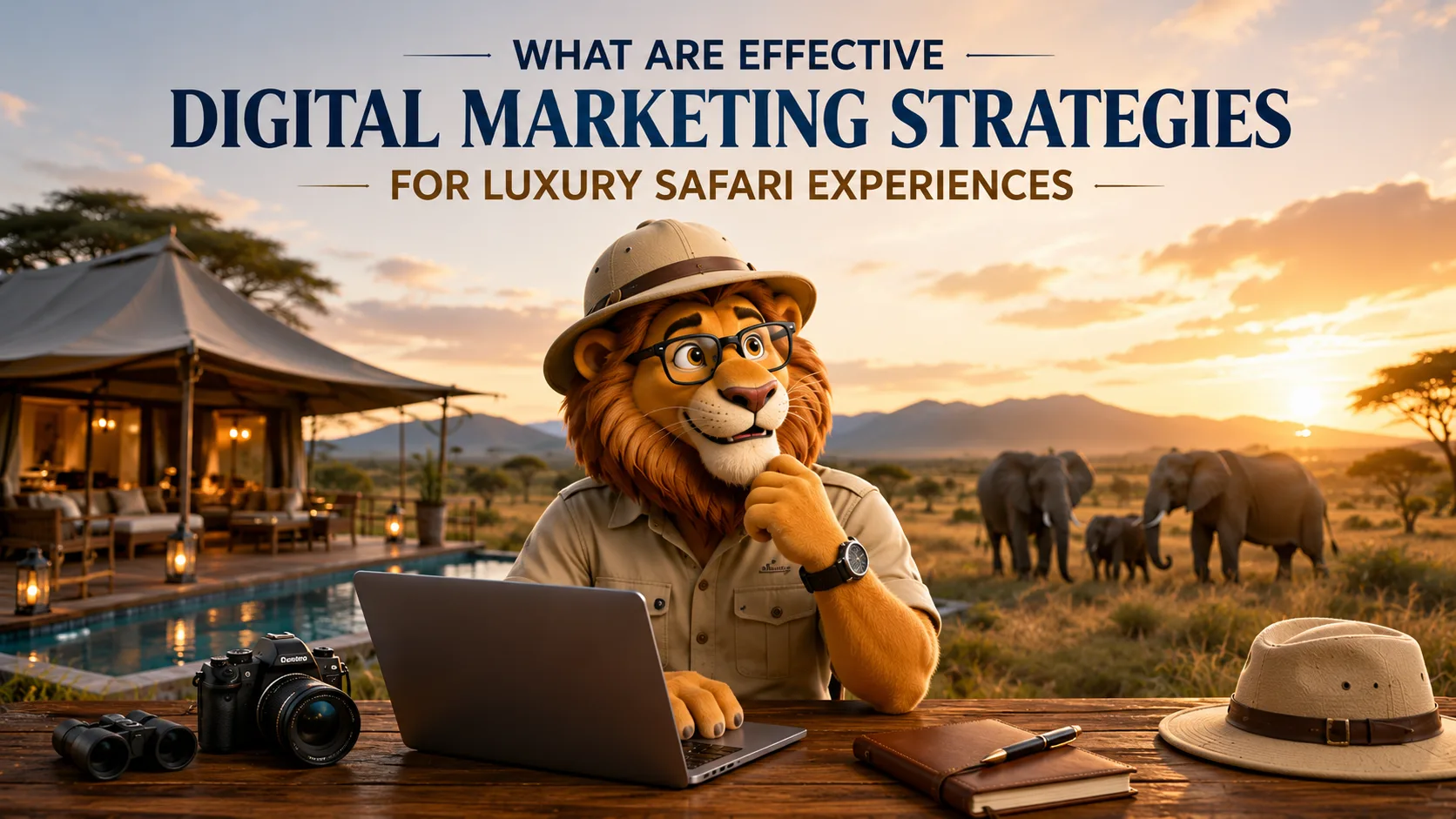
Safari tourism is emotional, aspirational, and experience-driven; your marketing should be too. By combining strong safari branding, SEO-focused content, paid advertising, and visual storytelling, tour operators and travel brands do attract a right audience and convert interest into bookings.
This safari marketing guide provides a roadmap for building a powerful presence, even in travel markets. The right safari digital marketing strategy from Markethix helps your brand standout, build trust, and grow sustainably in an increasingly competitive industry.


 Call :
  Address :
  Email: