


The interest in luxury travel for wildlife is growing rapidly, and it seems it’s only going to get even more extreme. Safari operators are having to change their approach to attracting the high-end traveler for a different reason: money is increasingly favoring those who offer an exclusive and memorable safari experience.
With high-net-worth travelers traveling the world, a comprehensive digital marketing strategy is essential for safari brands to capture their attention and secure bookings. Whether you are a safari business owner or a safari marketing agency, implementing the proper digital marketing strategies will help your business gain an edge in this growing luxury travel niche.
If you run a safari business, chances are none of that is really news to you — you already know your camps, your guides, and your land better than any marketer ever will. The real work isn’t understanding why marketing matters. It’s finding the time to do it well while you’re also fixing a vehicle before a 5am game drive or waiting on word that a guest’s flight into the bush strip landed safely. The strategies below aren’t theory pulled from a marketing textbook. They’re what’s actually working for safari brands right now, including a Kenya, Tanzania and Botswana operator we work with, Safarizo.
In short: the safari brands winning right now combine strong SEO, consistent content marketing, video, targeted paid ads, and real influencer partnerships — not any single tactic alone.
Top Digital Marketing Strategies For A Luxury Safari Experiences
To enjoy a luxury safari experience, the following are the top digital marketing strategies to consider:
1.Help to create a Luxury Brand Image
The key to having the best safari brand marketing starts by creating a professional and attractive brand. Luxury travelers look for sophistication, exclusivity, and attention to detail from the initial contact onwards. While your website, social media, and all other marketing materials must reflect your luxury offering.
Yes, use high-resolution photographs and an attractive design, combined with a compelling story, to convey the unique value of your luxury safari packages. When considering special services like private game drives, lavish lodgings, scenic helicopter tours, fine dining, and attractive itinerary planning, a strong brand image can help your business stand out from the competition and build a positive reputation among the best luxury travel companies.
Safarizo is a good example of what this looks like done properly. Instead of one generic “where you’ll stay” page, their site walks a guest through individual camps by name — Jao Camp, Xigera Safari Lodge, Wilderness Mombo, Abu Camp. That specificity is the brand. A traveler with ten tabs open, comparing operators, remembers the one who could tell them exactly which tent looks out over the floodplain — not just the one with the prettiest homepage photo.
2.Optimize for Search Engines (SEO)
SEO is the best long-term marketing strategy, particularly for qualified leads. When booking a vacation for their high-net-worth clients, they invest considerable time in researching the destination. By optimizing your website for terms such as “luxury safari,” “African luxury safaris,” “exclusive wildlife tours,” and “luxury safari vacations,” you can boost your SEO rankings and attract the right traffic.
While a professional safari marketing agency like Markethix can research keywords, optimize content, address technical considerations, and develop engaging blog content to attract clients seeking a luxury vacation package.
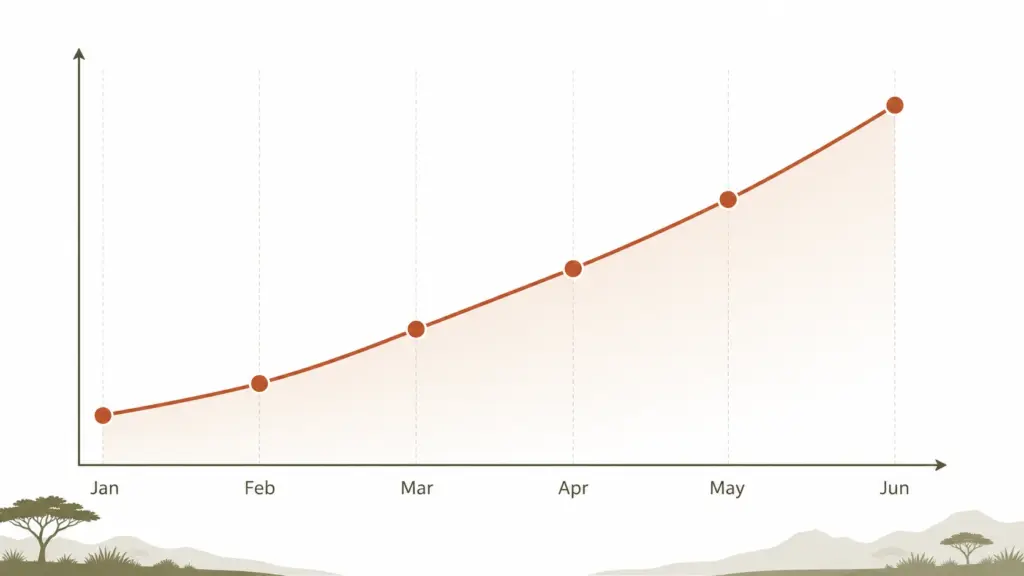
Here’s what that can look like in practice: one safari operator we worked with was getting around 200 organic visits a month before a focused SEO and content push. Within six months of consistent keyword-targeted content and technical fixes, that traffic had roughly tripled — not from one lucky post, but from steadily building out pages that actually matched what travelers were searching for.
3.Produce Exceptional Content
It’s so important to build value and interest into the content you create to be credible and authoritative in luxury travel. Write great travel blogs, travel guides, YouTube videos, and photo essays about:
- The best of luxurious safaris in Africa
- Wildlife photography and videography tips
- Exclusive lodge reviews
- Travel tips and information for each season of the year
- In-depth accounts of life at your safari operation
- Check out the success stories of individuals who have traveled previously
This information can assist with SEO and help you gain the trust of potential guests, encouraging them to explore your offerings.
This is where Safarizo has actually put in the work: rather than one thin “accommodation” page, they’ve built out more than a dozen individual camp and lodge pages — Jao Camp, Abu Camp, Selinda, Duba Plains, San Camp — alongside country-specific guides on cost and packages for Kenya, Tanzania, and Botswana. Every page reads like it was written by someone who knows the difference between Savuti and the Linyanti, not a template with the country name swapped out. That’s the difference between content that actually ranks and content that just sits there — and it’s the difference a traveler can feel, even if they couldn’t tell you why.
4.Leverage Social Media to tell a visual story
Social media is an excellent platform for promoting luxury travel, as it is highly visual. Safari operators can use social media platforms like Instagram, Facebook, YouTube, and Pinterest to share the incredible natural beauty of a safari destination, the luxurious hotel rooms they stay in, and the incredible experiences their guests have.
To create a successful social media marketing campaign for luxury safari operators, it is crucial to produce eye-catching and captivating content that captures viewers’ attention, such as:
- Professional Wildlife Photographs that produce a stunning effect
- Cinematic safari videos
- Testimonials and reviews from clients
- Included are luxury lodge facilities with a highlight
- Short, attention-grabbing scenes of local culture and scenery
5.Engaging with followers on social media
Strengthen customer relationships and increase brand awareness. Identify and partner with travel writers, bloggers, and influencers who reach affluent, adventure-minded travelers. You don’t need someone with two million followers — a travel photographer with twenty thousand genuinely engaged followers who actually book safaris will do more for your business than a viral post that brings in lookers instead of guests. Reach out the way you’d greet a fellow guide arriving in camp: directly, personally, no copy-pasted pitch. Many luxury travelers rely on recommendations from well-known figures in the travel industry.
Partnering with influencers popular among affluent travelers can help you reach a targeted audience for your luxury safari packages. Similarly, building relationships with other luxury travel companies, hotel chains, airlines, or travel agents can lead to referral opportunities and help improve your brand’s reputation.
6.Develop email marketing campaigns
One of the most successful conversion channels has been email marketing. Collect email addresses via website inquiries, downloadable travel guides, or through a newsletter signup. After having a list of interested parties you wish to be your guests, you can cultivate your relationship with these people by conducting targeted email marketing campaigns.
Unique safari deals, promotions, travel advice, migration news,ws and in-depth descriptions of different luxury safari destinations are all possibilities for effective email content. Customized communication can ensure your brand is remembered and drive repeat business.
7.Explore Paid Advertising
Both PPC and Social Media are incredibly effective at driving relevant traffic to your website without costing anything or taking long. Google Ads, Meta Ads, etc. enable you to target specific ages, interests, income ranges, and locations, ensuring your advertising spend reaches the most likely buyers of luxury safaris. Retargeting can also be utilized to re-engage people who have previously expressed interest in your offerings, but have not yet converted.
The safari brands that win here aren’t the ones spending the most — they’re the ones showing up more than once. A guest sees your ad on Instagram, then spots your brand in a print travel magazine at the dentist’s office, then notices your name near the airport lounge on their next trip. No single one of those moments closes a $15,000 booking on its own. Together, they build the trust that does.
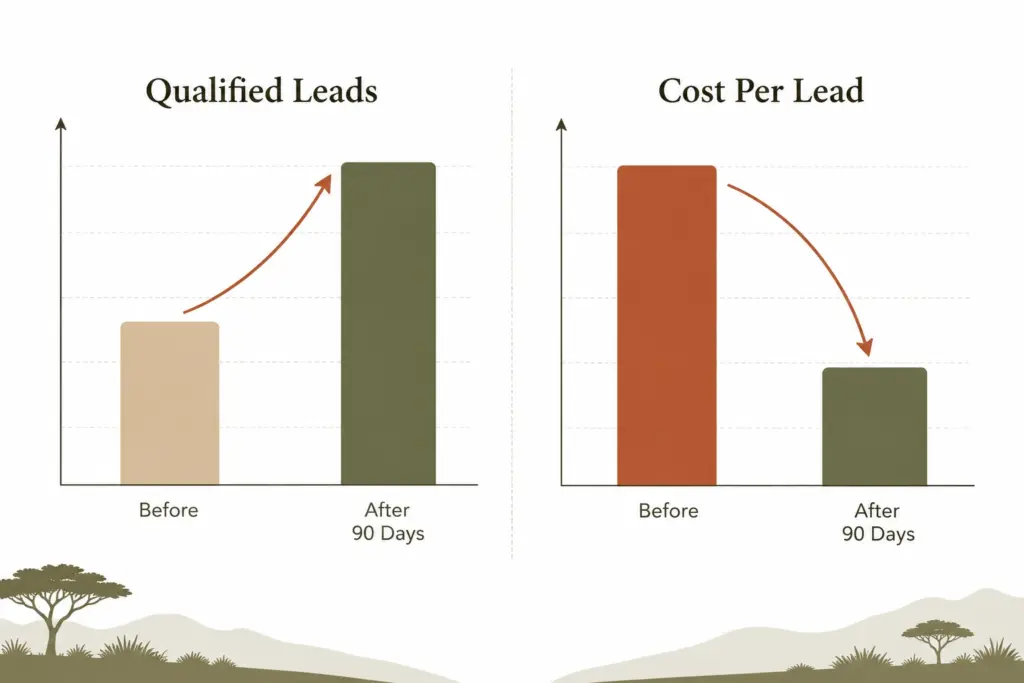
We’ve seen this pay off directly in Google Ads too: a safari operator running a modest monthly ad budget was generating scattered, low-quality inquiries before we tightened the targeting around high-intent search terms and rebuilt the landing pages to match. Within 90 days, qualified lead volume from that same budget had roughly doubled, and cost per lead dropped by nearly half.
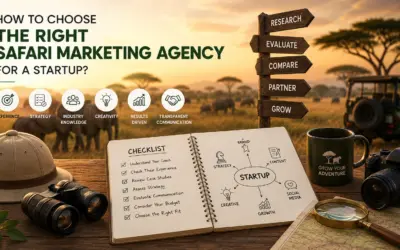
8.Work with a Specialist Safari Marketing Agency
Having multiple digital marketing channels can be extremely time-consuming, but outsourcing to a more experienced safari marketing agency can aid you to get better results. Meanwhile, you concentrate on running outstanding safari experiences.
These agencies will understand the preferences of all the travelers, the latest trends in the travel industry, and the specific needs of promoting safari travel, helping them create unique strategies that capitalize on these trends and opportunities.
They will know how to leverage the latest trends and opportunities in the travel industry, including the unique challenges and considerations of promoting safari tours, and create strategies that drive measurable growth.
9. Invest in Video Marketing
A drone shot over the Mara during the migration will beat a stock photo every time — because guests aren’t buying a checklist of animals, they’re buying a feeling. Film that feeling: the crackle of a guide’s radio call when a leopard is spotted, the dust kicking up as the vehicle turns off-road, the quiet of a sundowner stop with the engine off and the light going gold. That’s the footage people share, and it’s what makes someone think “I need to go there” instead of just “that looks nice.” A mix of cinematic destination films, short-form clips for Reels and TikTok, and unpolished guest-recorded moments will always outperform a single glossy commercial.
10. Run Promotions That Match Luxury Positioning
Cutting your rate is the fastest way to start looking like everyone else. The safari companies that promote well don’t discount — they add something a guest can’t simply buy on their own: an extra night before the Migration crossing, a private vehicle upgrade for early bookers, a loyalty rate for guests coming back for a second or third trip. Exclusivity is the offer, not the price cut.
11. Build Public Relations & Media Coverage
Getting written up in a real travel publication does more for your credibility in one paragraph than a month of paid ads. If you’ve hosted a journalist, opened a new camp, or backed a conservation project nearby, that’s a story worth pitching — pitch it like a story, not like a press release nobody asked for.
Interactive and experiential touches matter too: a live Q&A with a guide answering questions from camp, dust still on their boots, will do more to move a hesitant traveler toward booking than another polished ad ever could.
Conclusion
With the growth of the luxury travel market, there are huge chances for safari operators who are ready to invest in digital marketing. Strategic partnerships with trusted safari marketing agencies, effective use of social media, optimizing SEO, and strong safari brand marketing can all help you attract high-end clients and increase bookings.
A successful digital marketing strategy doesn’t just raise your brand’s profile; it also makes your company one of the top luxury travel companies that provide an unforgettable safari experience in Africa.
If all of this sounds like more than you can take on while you’re actually running trips, that’s exactly why agencies like ours exist. Markethix works with safari operators — including Safarizo — to handle the marketing side, so you can stay focused on the radio calls and the sundowners. Get in touch for a free safari marketing audit and see where your brand stands today.

 Call :
  Address :
  Email:
0 Comments