

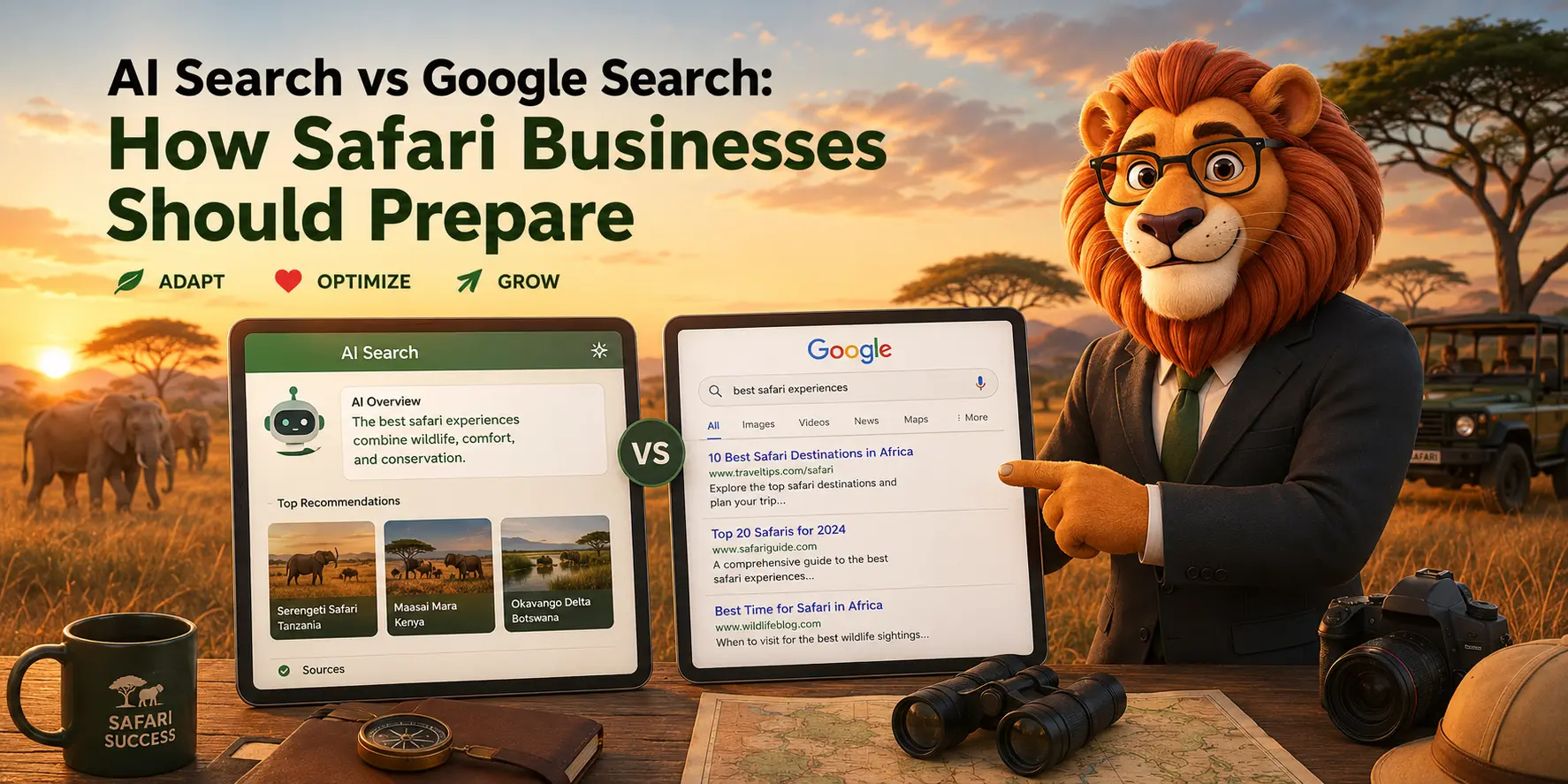
The way travelers search for safari experiences is already changing. For years, Google Search has been the main starting point for people researching African safaris, comparing tour operators, and planning trips to destinations like Tanzania. AI-powered search is becoming a critical part of that journey. For safari businesses, it means that traditional SEO and Google Ads strategies need to evolve alongside AI search. This blog covers AI search vs Google Search and how safari businesses should prepare.
Understanding AI Search vs Google Search
Google Search mostly presents users with a list of numerous websites, advertisements, maps, and various other results. Travelers choose which link to click and research unique safari companies like Markethix before making critical decisions. AI search works uniquely. Rather than simply displaying links, AI platforms can already understand a user’s question and provide a summarised answer.
At times, a traveller will ask, “What is the best safari company for a luxury Serengeti safari?” and receive recommendations based on information gathered from various online sources. This creates a new challenge for safari businesses: visibility isn’t only about ranking on Google’s first page. Businesses also need to become credible, or a relevant source that AI systems do recognise and reference.
Why This Matters for Safari Businesses
Safari travellers spend considerable time researching before booking. They want to know about destinations, safari costs, accommodation, wildlife seasons, itineraries, visa requirements, and our operators’ reputation.
A strong digital presence can help your business appear even during these research stages. At the same time, your website should provide useful, detailed, and trustworthy information rather than focusing only on sales pages.
For instance, a Tanzania safari company can create content covering topics like the best time to visit the Serengeti, how much a Tanzania safari costs, and Serengeti vs Ngorongoro Crater. However, this kind of content can support both traditional search visibility and AI-driven discovery.
The Role of Google Ads for Safari Companies
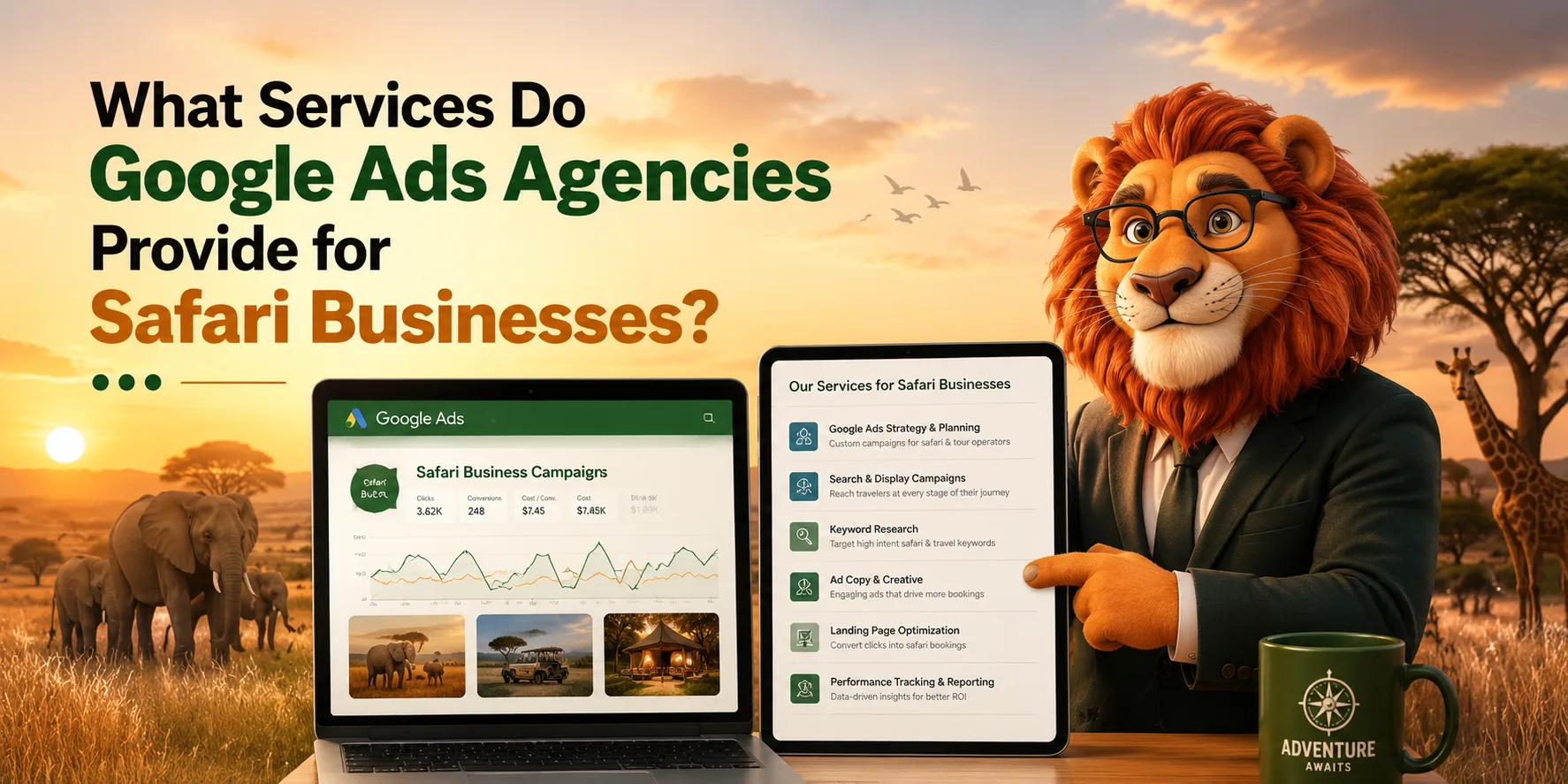
AI search doesn’t mean Google Ads are becoming irrelevant. As a result, paid search remains valuable because it lets safari businesses reach travellers who may already have strong booking intent.
Working with experienced safari Google Ads experts from Markethix can help businesses target higher-value searches such as “Tanzania safari packages,” “Serengeti safari tours,” or “luxury safari Tanzania.”
A paid ad strategy must go hand in hand with strong landing pages, appealing offers, excellent targeting, tracking, and the right content; paid ads provide immediate visibility, while SEO & content build authority. Paid ads provide immediate visibility, while SEO & content build long-term authority.
Building an AI-Ready Safari Marketing Strategy
Safari companies focus on clean, accurate, and rich content. The information should be clear, easy for travelers to read, and easy for search engines to crawl. Genuine customer reviews and testimonials build trust. Ensure your business information is consistent across your website, Google Business Profile, tourism platforms, social media & valid tourism review sites.
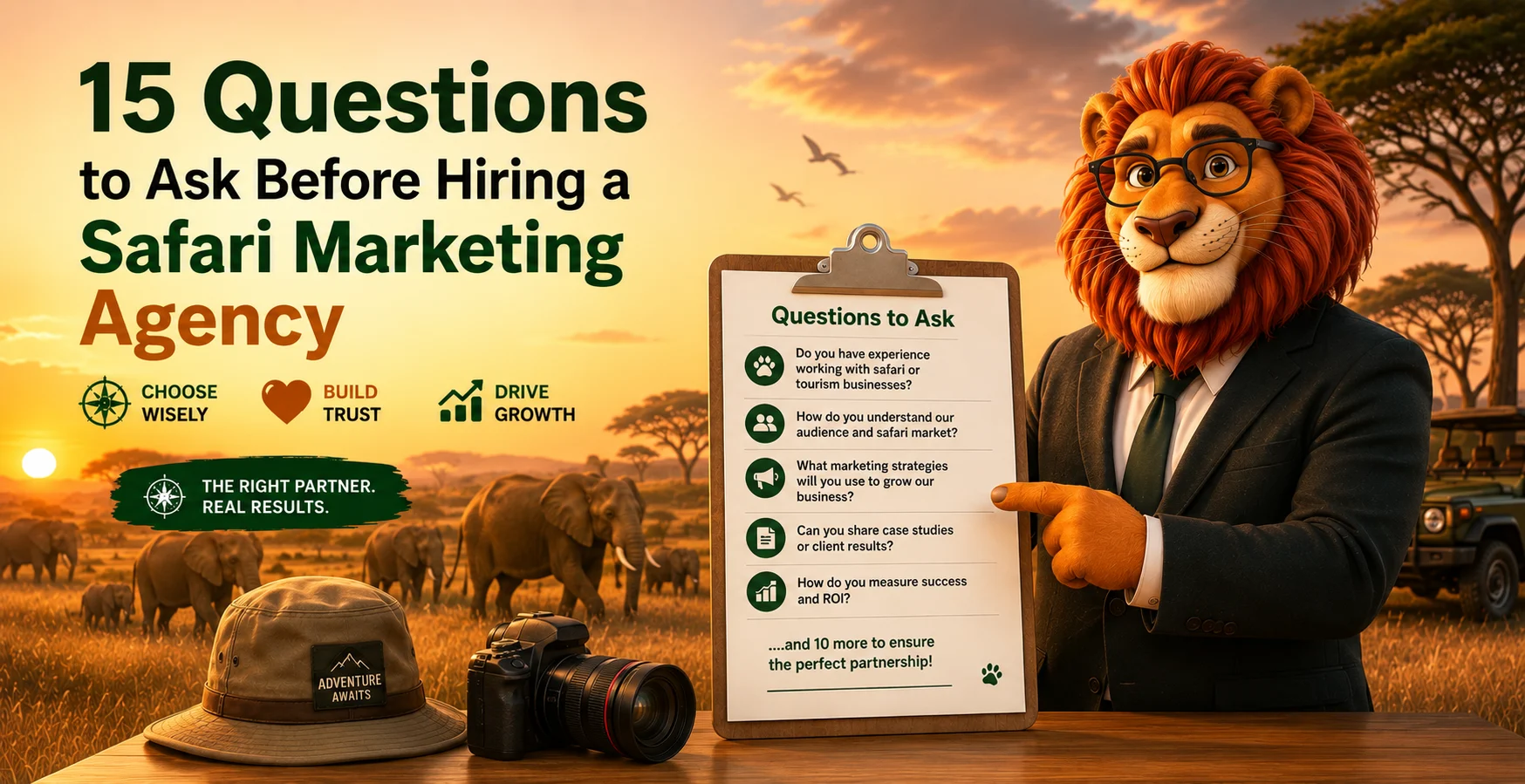
For businesses seeking unique, exclusive support, consider partnering with a safari marketing agency in Tanzania that combines market expertise with digital marketing knowledge.
The Future Is Both Search and AI
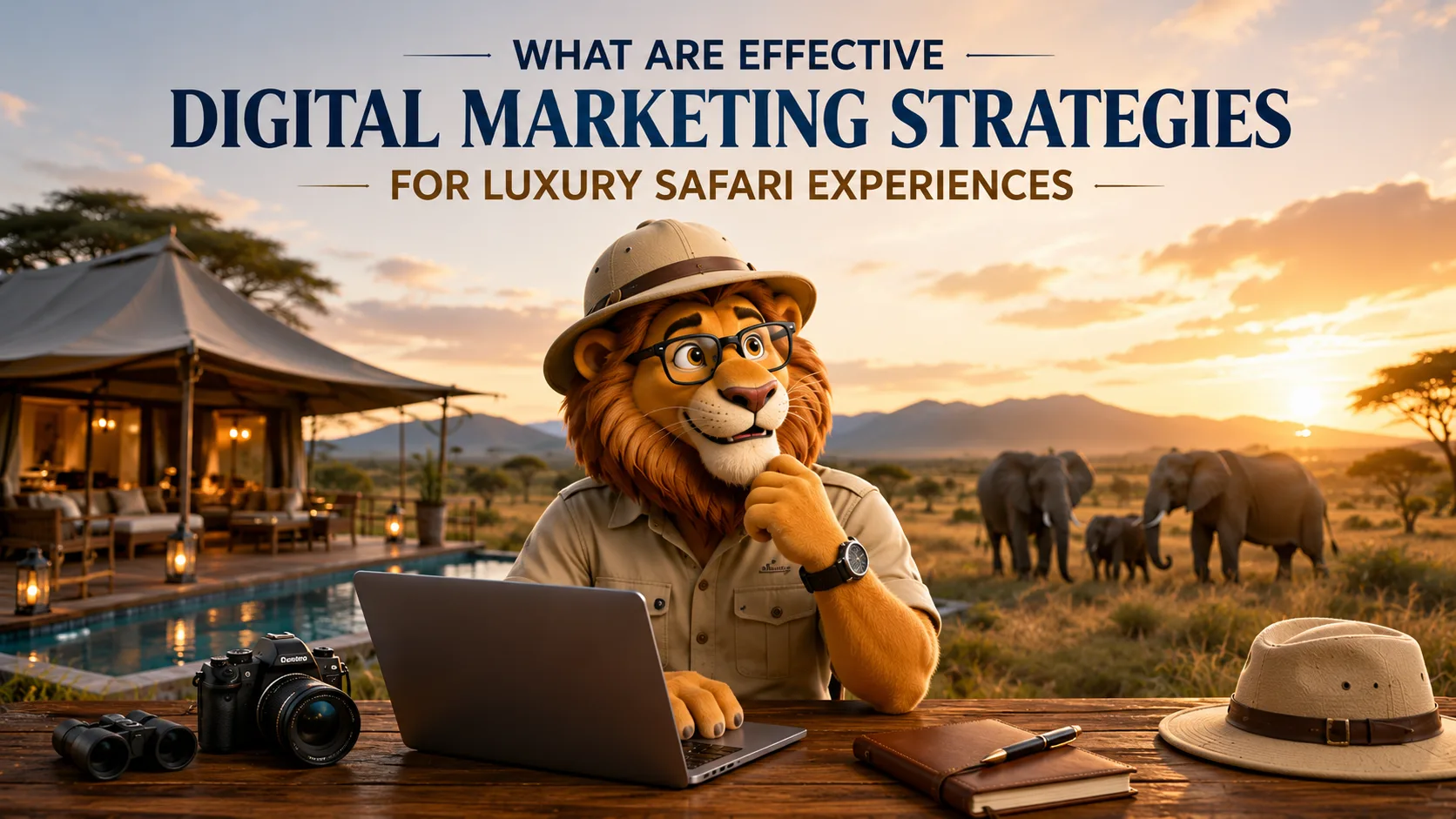
At times, safari businesses shouldn’t choose between Google search and AI search. At times, the strongest strategy is to prepare for both. Do invest in quality content, technical SEO, Google Ads, online reputation, reviews, and a user-friendly website. At the same time, create authoritative answers to the questions travelers ask throughout their safari-planning journey.
The future of safari marketing will belong to businesses that are discoverable wherever travelers search-whether they are clicking a Google result, viewing an advertisement, or asking an AI assistant for all kinds of recommendations.



 Call :
  Address :
  Email: